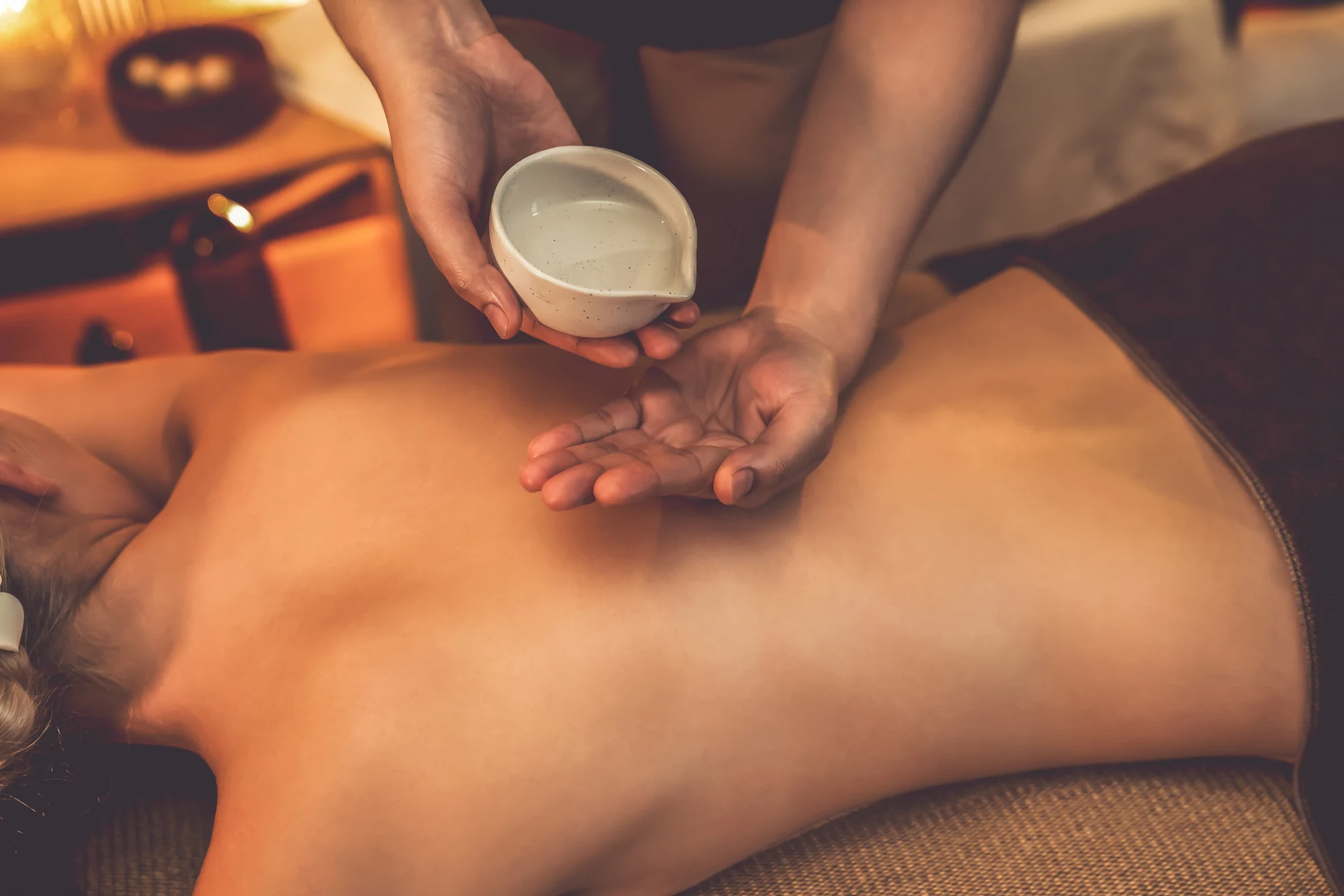

Explore the benefits of massage in palliative care: relief from pain, anxiety, and insomnia, enhancing patients' well-being and quality of life.
The needs of a person facing a serious or terminal medical condition are very different from those of most clients. For many, the main goal is to achieve a state of relaxation and well-being rather than seeking complete relief from symptoms.
In the past, palliative care and hospice were mainly seen as end-of-life support. Today, these types of care have expanded to include maintaining or improving quality of life and reducing bothersome symptoms.
Palliative care is designed to help those suffering from chronic, debilitating, or serious illnesses manage symptoms and side effects of treatments. This support is ongoing throughout the illness and is integrated with other medical therapies and care strategies.
It is important to note that palliative care adopts a multidisciplinary approach typical of integrative health interventions, involving a team of doctors, nurses, social workers, spiritual counselors, and, when necessary, rehabilitation therapists, including massage therapists.
Research on Massage in Palliative Care
The use of massage in palliative care is a holistic approach focused on patient comfort, rather than specific techniques. Sessions, often shorter than traditional ones, aim to manage symptoms such as pain, nausea, anxiety, depression, and sleep disorders.
Unlike traditional massage, the goal in palliative care is to improve the client's overall well-being without seeking specific changes or therapeutic outcomes, such as reducing muscle tension or releasing adhesions. The main intent is to offer relief, serenity, and comfort.
Symptom reduction is a significant benefit of palliative care, and research has shown that massage brings concrete advantages in this context.
A 2022 study evaluated the feasibility and acceptability of massage administered by healthcare staff to patients in palliative care.
The research monitored the experience of patients and healthcare workers regarding the use of massage, collecting opinions on its role in palliative care. Patients received massage treatments from healthcare workers trained according to a specific protocol.
Massage was administered within five days of the completion of healthcare staff training. Both patients and staff provided self-reported assessments of their satisfaction with the treatment.
Researchers found that massage sessions were met with satisfaction by both groups, with increased comfort during subsequent treatments.
The research concluded that training healthcare staff in massage techniques is feasible and highlighted significant benefits, such as improved symptoms in patients and increased skills and autonomy among healthcare workers.
You can read the research by clicking [here].
Massage and Palliative Care: Randomized Study
Another randomized study on massage in palliative care compared the effectiveness of three different massage dosages administered by qualified massage therapists to adult inpatients receiving palliative consultation.
The goal was to determine the optimal massage dosage. The dosages evaluated included:
- A daily 10-minute massage for three consecutive days;
- A daily 20-minute massage for three consecutive days;
- A single 20-minute massage.
The research team examined changes in overall quality of life and effectiveness in symptom management. The results showed that all three groups reported significant improvement in quality of life at follow-up, with no statistically significant differences between the groups.
Massage Dosage: Further Analysis
Another study analyzed massage dosage with sessions differentiated by:
1. Duration: - 15 minutes; - 30 minutes; - 60 minutes.
2. Frequency: - 2 times a week; - 3 times a week.
To quantify the intensity of pain, fatigue, and sleep disturbances, a rating scale from 0 to 10 was used, applied weekly during the intervention and during follow-up.
The analysis of the results revealed a direct correlation between increased dosage and the effectiveness of massage in treating symptoms of pain, fatigue, and sleep disturbances.
Massage and Palliative Care: Information for the Massage Therapist
Gathering accurate information is fundamental, especially in palliative therapies, where clients seek relief through massage.
Massage therapists must have a thorough knowledge of the client's clinical history and current health conditions to personalize the session and ensure maximum comfort.
Understanding the client's approach to their own health is useful, but it is essential that massage therapists respect their own ethical boundaries.
The emotional aspect with which clients perceive and are influenced by their condition is crucial. The goal is not to intervene therapeutically, but to temporarily ease the stress response during the session, allowing the body to benefit from a period of rest.
The duration of massage sessions can vary from 15 to 60 minutes, depending on the client's needs. Generally, shorter sessions, between 20 and 30 minutes, are preferred. Massage techniques and client positioning should be chosen considering both the client's preferences and the professional judgment of the massage therapist.
In some cases, the client may not be able to lie on the table due to illness, muscle pain, or disability. In these cases, it is crucial to be flexible and use appropriate supports and pillows to ensure a comfortable position during treatment.
Massage therapists working in palliative care must be very adaptable and willing to meet the client in their environment, whether it is their home or a healthcare facility such as a hospital or rehabilitation center. It is essential to be prepared to provide treatment in various settings, including assisted living facilities.
During a standard session, guided relaxation techniques can be used to promote the client's mental and physical well-being.
Gentle techniques such as reflexology or acupressure may be employed, focusing on specific areas such as hands or feet. In addition, light stroking can be performed for the client's comfort and/or manual lymphatic drainage can be practiced.
The massage therapist must consider that they may not be as physically comfortable as in their own studio and must pay attention to their own posture during the massage.
Finally, this work can be emotionally demanding. The approach to massage in palliative care can be extremely rewarding and requires great commitment. It is not suitable for those who are not prepared to face emotional or physical challenges.
A constant commitment to learning and a sincere desire to assist those facing suffering and adverse circumstances are indispensable.
References to doshas and energy belong to the Ayurvedic tradition. This content is for information and wellbeing and does not replace professional medical advice.
Make space for your wellbeing.
Contact us to find the treatment or course that best suits your needs.
WhatsApp ↗