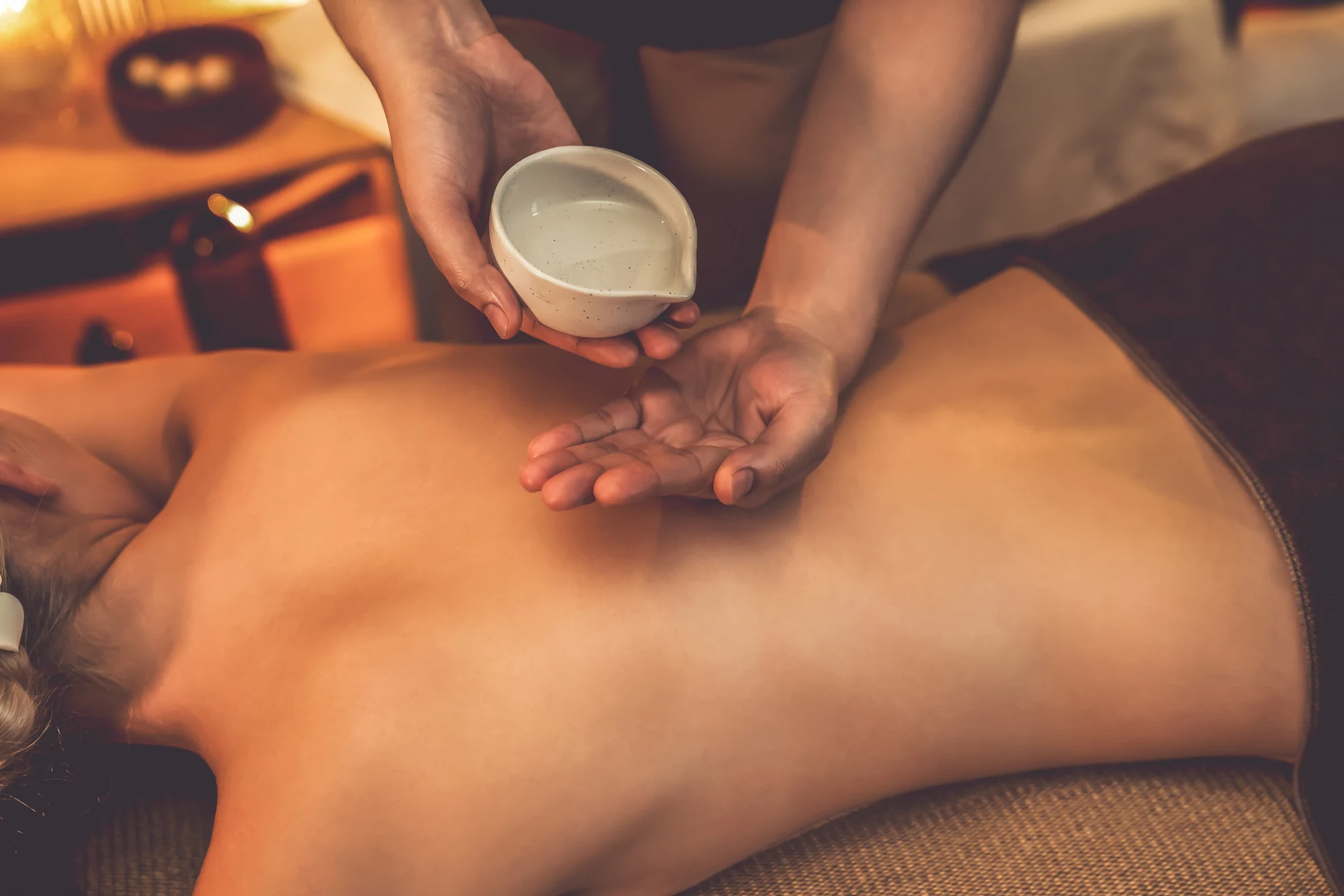

As a massage therapist, intense work can put a strain on the joints and muscles of the hands, wrists, and forearms. Here are some natural solutions.
As a massage therapist, intense work can put a strain on the joints and muscles of the hands, wrists, and forearms. Here are some natural solutions and useful habits to relieve inflammation and prevent pain without resorting to medication:
1. Regular Stretching Before and after massages: Spend a few minutes on stretching exercises for the hands, wrists, and forearms. Wrist stretch: Extend your arm in front of you, palm facing up. With the other hand, gently push your fingers downward to stretch the wrist and forearm.
Finger stretching: Grab each finger individually and gently stretch it to improve flexibility. During breaks: Make circular movements with your wrists or shake your hands to reduce tension.
2. Hot and Cold Baths Alternate hot and cold baths for the hands and forearms. This method stimulates blood circulation and reduces inflammation. Soak your hands in warm water for 3 minutes, then in cold water for 1 minute, repeating for 15 minutes.
3. Self-Massage Use anti-inflammatory oils (such as arnica, lavender, or eucalyptus oil) to gently massage your hands and forearms. You can use a tennis ball or a soft ball to apply pressure to tension points.
4. Strengthening Exercises Strengthen the muscles of the hands and forearms with targeted exercises: Soft ball squeeze: Squeeze a stress ball or tennis ball for a few seconds, then release. Repeat 10-15 times. Finger band: Place a rubber band around your fingers and open them against the resistance.
5. Rest and Alternation If possible, vary massage techniques to distribute the load over different parts of the body and give your hands proper rest. Use your elbows or forearms when appropriate to reduce stress on your hands.
6. Natural Compresses Warm herbal compresses: Use a heated flaxseed bag, or a warm compress with grated ginger and coconut oil, applying it to sore areas. Clay compresses: Apply green clay mixed with warm water to inflamed joints for 20-30 minutes.
7. Anti-Inflammatory Diet Include in your diet foods rich in omega-3 (such as oily fish, walnuts, and flax seeds), turmeric, ginger, and leafy green vegetables, which have natural anti-inflammatory properties. 8. Relaxation Techniques Stress can amplify the perception of pain. Practice relaxation techniques such as yoga, meditation, or breathing exercises to reduce muscle tension. 9. Ergonomic Technologies and Supports Use ergonomic tools such as pads or supports to improve the effectiveness of the massage without overloading your hands. Consider using compression gloves to improve circulation and reduce swelling.
10. Consultation with Specialists Consider holistic treatments such as physiotherapy, osteopathy, or acupuncture to address inflammation and prevent further damage. Integrate these habits into your routine to keep your hands and wrists healthy, thus ensuring a long and pain-free career. If symptoms persist, it is advisable to consult a specialist for a thorough evaluation.
Choosing a cream, oil, or gel for chronic pain in the joints and muscles of the hands and forearms requires attention to ingredients and formulation. Here are the main criteria for making an informed choice:
1. Active Ingredients and Benefits Choose products with ingredients known for their anti-inflammatory, soothing, and relaxing properties.
Here are some ingredients to consider:
Natural Anti-Inflammatories Arnica: Ideal for reducing inflammation and muscle pain. Devil's claw: Excellent for relieving chronic and joint pain. Turmeric: Contains curcumin, known for its anti-inflammatory and antioxidant properties. Boswellia: Useful for joint pain and improving mobility.
Warming Agents Capsaicin (Chili pepper): Stimulates circulation and relieves pain, but avoid if you have sensitive skin. Ginger or cinnamon essential oil: Promotes warming and muscle relaxation.
Cooling Agents Menthol: Helps soothe pain with an immediate cooling effect. Aloe vera: Perfect for calming surface inflammation.
2. Product Type Cream: Perfect for a moisturizing and relaxing effect. Often easier to absorb. Gel: Ideal for an immediate cooling effect, suitable for acute pain or inflammation. Oil: Great for prolonged massages, especially when combined with therapeutic essential oils.
3. Absorption Choose a product that does not leave greasy residues, especially if you work with your hands. Opt for fast-absorbing creams or gels, so as not to interfere with your work activity.
4. Skin Compatibility Check that the product is suitable for sensitive skin and free of common allergens (no parabens, silicones, or artificial fragrances). Test on a small area of skin before use to check for any reactions.
5. Additional Essential Oils If you opt for an oil, check that it contains therapeutic essential oils, such as:
Lavender: Relaxing and soothing. Rosemary: Stimulating and anti-inflammatory. Chamomile: Soothes irritation and inflammation. Eucalyptus: Effective for muscle and joint pain.
6. Purpose of the Product Warming or relaxing: Use warming products (capsaicin, ginger) to relax muscles before a massage or intense activity. Cooling or soothing: Prefer formulations with menthol or aloe vera for relief after work.
7. Certifications and Quality Prefer certified natural or organic products to reduce exposure to harmful chemicals. Make sure they are dermatologically tested.
8. Customization You can create your own personalized oil by mixing carrier oils (such as sweet almond or coconut oil) with therapeutic essential oils:
Anti-inflammatory formula: 30 ml sweet almond oil + 5 drops lavender essential oil + 5 drops devil's claw. Warming formula: 30 ml jojoba oil + 3 drops ginger + 3 drops rosemary.
9. Consistency and Scent Choose a product with a pleasant texture and a delicate scent, to avoid it becoming bothersome during use.
10. Targeted Advice
For your specific case as a massage therapist, it may be useful to alternate a cooling gel after sessions to calm inflammation and a warming oil before work to prepare the muscles.
If you need, I can recommend specific products available on the market.
References to doshas and energy belong to the Ayurvedic tradition. This content is for information and wellbeing and does not replace professional medical advice.
Make space for your wellbeing.
Contact us to find the treatment or course that best suits your needs.
WhatsApp ↗