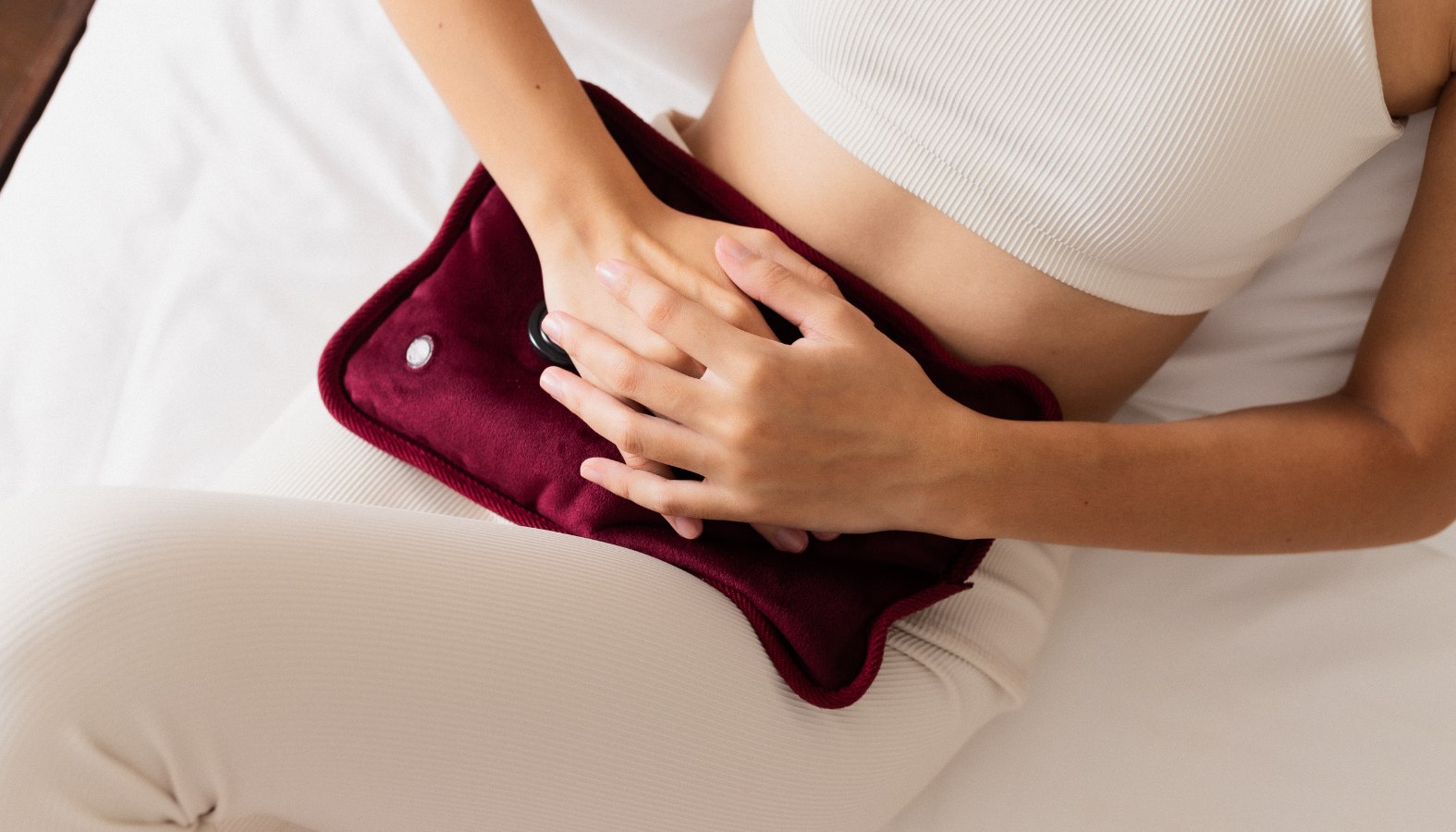
In Ayurveda, the menstrual cycle is considered a direct reflection of a woman's overall state of health.
Any variation in duration, quality of flow, or related symptoms can represent an early warning sign of a deep imbalance in the Doshas, tissues (Dhatu), or body channels (Srotas).
This view is confirmed by numerous studies and classical Ayurvedic texts, according to which menstrual blood (artava) is a byproduct of the first body tissue formed: the Rasa Dhatu, or nourishing plasma.
The quality of the Rasa determines the nourishment of all other body tissues, and consequently also the health of the reproductive system (Sharma & Bhatnagar, 2011).
The three Doshas and their influence on the menstrual cycle In Ayurveda, every physiological function is governed by three energetic principles:
Vata (air + ether): regulates movement, including menstrual flow, intestinal peristalsis, and uterine contractions.
Pitta (fire + water): governs transformation, hormonal metabolism, and the intensity of the flow.
Kapha (water + earth): is responsible for stability, lubrication, and the structure of reproductive tissues.
An imbalance in any of the three Doshas can manifest with specific symptoms during menstruation.
Vata Imbalance
Common symptoms:
- Scanty or irregular flow
- Sharp pain and cramps
- Anxiety, insomnia, constipation
- Feeling of dryness and pelvic tension
- Cause: cold and dry diet, stress, excessive mental and physical activity
Pitta Imbalance Common symptoms:
- Heavy flow with bright red blood and clots
- Sensation of heat or burning
- Irritability, anger, headaches
- Diarrhea, increased hunger
- Cause: spicy foods, alcohol, excess sun or emotional stress
Kapha Imbalance Common symptoms:
- Thick and mucous flow
- Lethargy, swelling, water retention
- Breast tension and digestive difficulties
- Tendency to melancholy
- Cause: fatty and heavy diet, physical inactivity, accumulation of toxins (Ama)
The importance of diet to harmonize the cycle
In Ayurveda, diet is the first tool for rebalancing. As the classical texts state, “the right diet is half the therapy” (Charaka Samhita).
For each Dosha, a specific approach is suggested:
- Vata: warm, oily, and nourishing foods such as lentil soups, sweet spices (like cinnamon and ginger), and natural oils
- Pitta: cooling foods such as cucumbers, mint, coconut, basmati rice, fresh milk, and ghee
- Kapha: light, dry, and stimulating foods such as warming spices (black pepper, turmeric), bitter vegetables, and light fruits
Ayurvedic herbs for menstrual well-being The Ayurvedic pharmacopoeia offers hundreds of specific remedies for female hormonal balance. Among the most effective:
- Shatavari (Asparagus racemosus): tonic for the female reproductive system, useful in cases of infertility, irregular cycles, and Pitta and Vata imbalances (Sharma & Bhatnagar, 2011)
- Ashwagandha (Withania somnifera): adaptogenic tonic that calms the nervous system and reduces lower back and uterine pain from excess Vata
- Ashoka (Saraca indica): effective in menorrhagia and menstrual pain. Reduces excess Pitta and Kapha (Baranwal, 2014)
- Manjishtha (Rubia cordifolia): purifying and anti-inflammatory, useful in heavy cycles and with clots
- Guggulu (Commiphora mukul): deep anti-inflammatory, useful in cases of fibroids, cysts, and endometriosis (Dhiman, 2014)
- Turmeric (Curcuma longa): blood purifier, improves circulation, and counteracts systemic inflammation
Ayurvedic treatments to rebalance the cycle Ayurveda also offers numerous effective external therapies for the female reproductive system:
- Basti: medicated enema based on oils or decoctions. It is considered one of the most powerful therapies to rebalance Vata and treat chronic gynecological disorders, such as polycystic ovary
- Nasya: instillation of oil into the nostrils to rebalance the central hormonal system.
- Yoni Prakshalana and Yoni Pichu: washes and local applications with herbal oils, very useful for irritations, dryness, or recurrent infections
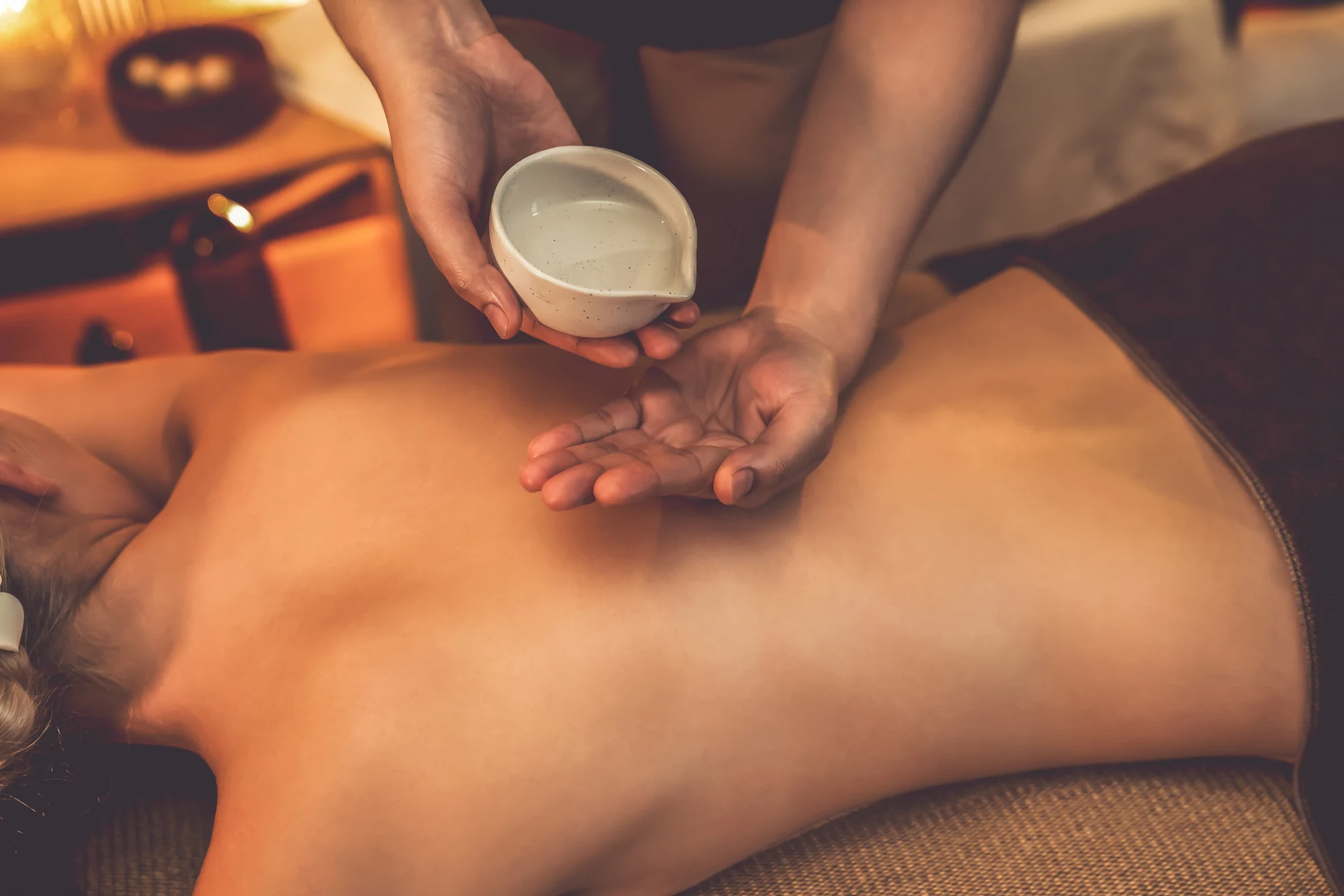
- Shirodhara: continuous flow of warm oil on the forehead. Deeply relaxes, regulates the nervous system, and helps rebalance the hypothalamic-pituitary-ovarian axis
Ayurveda considers menstrual health not only a physiological matter, but a fundamental indicator of a woman's internal balance.
Through a combination of targeted nutrition, the use of specific herbs, and personalized Ayurvedic treatments, it is possible to prevent and treat many menstrual cycle dysfunctions in a natural and profound way.
This approach is not only therapeutic, but deeply educational and transformative, because it gives women back the power to understand, honor, and rebalance their own bodies with awareness.
Sources consulted Sharma, K. & Bhatnagar, M. (2011). Asparagus racemosus (Shatavari): A versatile female tonic. International Journal of Pharmaceutical & Biological Archives, 2, 855–863.
Baranwal, V. (2014). Ashoka: A Herbal Healer for Gynecological Problems. Light on Ayurveda Journal of Health, Vol. XII, No. 4.
Dhiman, K. (2014). Ayurvedic Intervention in Uterine Fibroids: A Case Series. AYU, 35, 303–308.
Patel, K.D. et al. (2012). Effect of Shatapushpa Taila Matra Basti and Pathadi Kwatha on PCOS. Ayu, 33(2), 243–246.
Marlewar, S.G. & Kulkarni, H.D. (2017). A Review on Role of Nasya Karma in Gynaecological Disorders. IOSR Journal of Dental and Medical Sciences, 16(2), 113–116.
Uebaba, K. et al. (2008). Psychoneuroimmunologic Effects of Ayurvedic Oil-Dripping Treatment. Journal of Alternative and Complementary Medicine, 14(10), 1189–1198.
Santwani, K. et al. (2010). An Evaluation of Manasika Bhavas in Menopausal Syndrome. AYU, 31(3).
References to doshas and energy belong to the Ayurvedic tradition. This content is for information and wellbeing and does not replace professional medical advice.
Make space for your wellbeing.
Contact us to find the treatment or course that best suits your needs.
WhatsApp ↗